For decades, PC gamers have navigated a turbulent sea of digital rights. From the early days of disc-based copy protection to the more recent, often-maligned implementations of Digital Rights Management (DRM) like Denuvo, the industry has constantly grappled with piracy. But as we look to the horizon, a new trend is gathering momentum: subscription-based gaming. While offering a tantalizing promise of vast game libraries, this shift brings with it a fresh set of concerns that extend far beyond the shadow of digital piracy.
As lifelong PC enthusiasts, many of us have experienced firsthand the frustrations that come with DRM. Whether it’s the noticeable performance hit, the roadblocks to modding our favorite titles, or the irritating online check-ins that interrupt our single-player experiences, DRM has often felt like a punishment for legitimate buyers rather than a deterrent for pirates. Developers and players alike have voiced their discontent, highlighting a system that frequently detracts from the gaming experience.
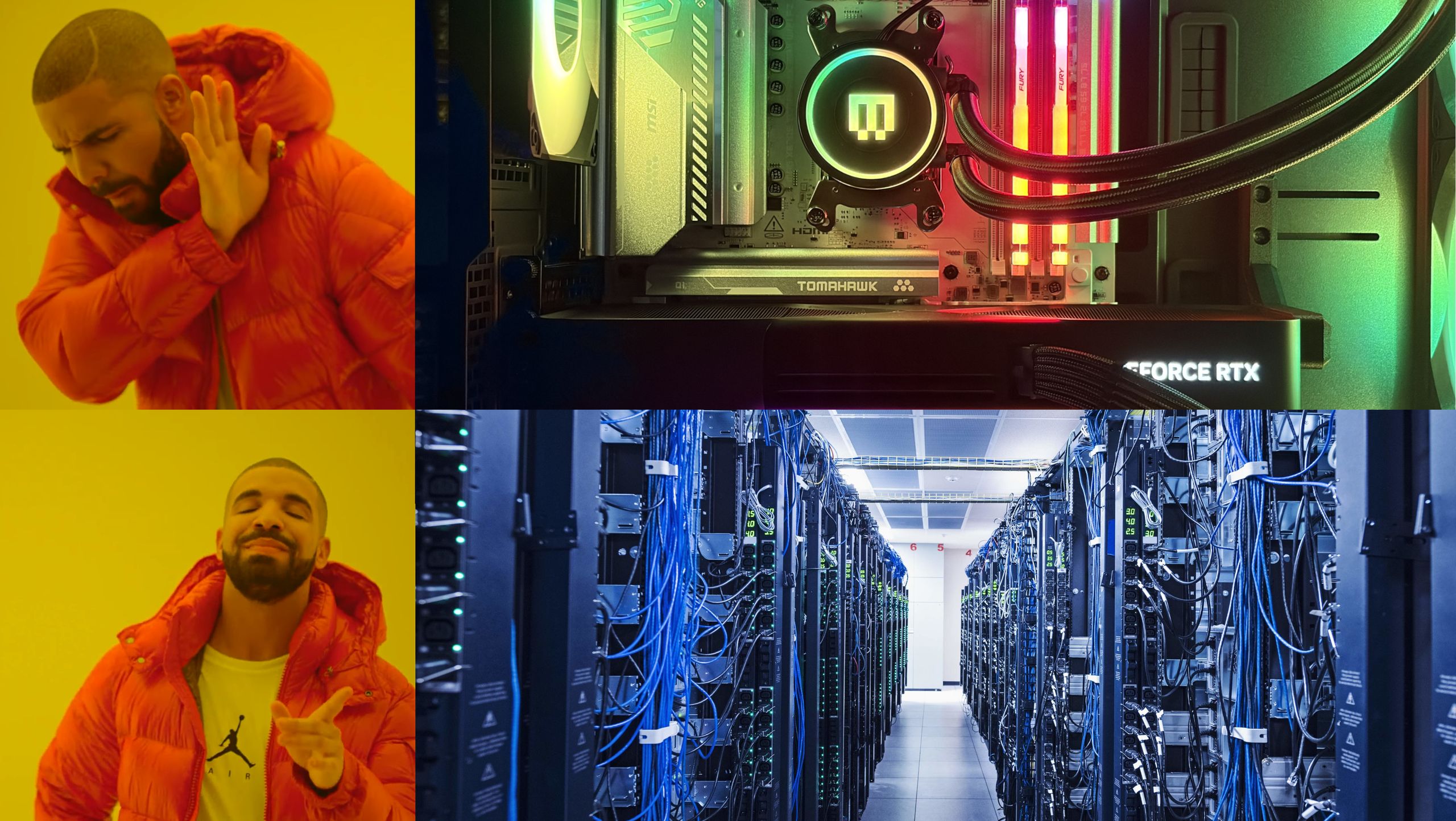
Now, however, the industry seems to be pivoting. The rise of subscription services presents itself as a potential alternative to the DRM-heavy purchase model. But what does this mean for the future of gaming, and are we simply trading one set of problems for another?
The Enduring Headache of DRM
DRM, or Digital Rights Management, has been a contentious topic in PC gaming for as long as digital distribution has been a thing. Tools like Denuvo, VMProtect, and others are designed to prevent unauthorized copying and distribution of games. In theory, this protects intellectual property and ensures developers get paid for their work. In practice, the implementation has often been less than ideal, creating a rift between game publishers and their most loyal customers.
The criticisms are widespread and well-documented. For many gamers, DRM can:
- Impact Performance: The constant background checks and encryption/decryption processes can consume CPU cycles, leading to frame rate drops and stuttering, even on high-end systems.
- Hinder Modding: DRM often interferes with the ability to modify game files, a cherished aspect of PC gaming culture that extends a game’s lifespan and creativity.
- Require Persistent Online Connections: Some DRM schemes demand an internet connection for verification, even for purely single-player games, making offline play difficult or impossible.
- Cause False Positives: Legitimate copies have sometimes been flagged as pirated, locking out paying customers from their purchased games.
- Limit Ownership: Even when you “buy” a game, DRM can mean you’re essentially buying a license to play under certain conditions, rather than true ownership of the software.
These issues have made DRM a particularly despised element within the gaming community. It’s a system that, for many, punishes the honest consumer while often being circumvented by determined pirates anyway. This growing dissatisfaction has undoubtedly fueled the search for alternative models.
Subscription Gaming: A Double-Edged Sword?
Enter subscription gaming. Services like Xbox Game Pass, PlayStation Plus, Ubisoft+, and EA Play have rapidly gained traction, offering access to vast libraries of games for a recurring monthly fee. On the surface, the appeal is undeniable: for a relatively low cost, players can explore hundreds of titles, from brand-new releases to beloved classics, without the upfront investment of purchasing each game individually. This model has often been lauded as the “Netflix of gaming,” promising unprecedented access and variety.
For many, this is a fantastic deal. It allows players to try out games they might not have otherwise bought, experiment with different genres, and always have something new to play. Publishers also see benefits, potentially reaching a wider audience and securing a more predictable revenue stream. It seems like a win-win, a potential solution to the DRM dilemma that offers value to both sides.
However, beneath the shiny veneer of endless gaming, there are emerging complexities that warrant careful consideration. While subscriptions might mitigate some DRM headaches and potentially reduce the incentive for piracy by offering a convenient, affordable alternative, they introduce a whole new set of challenges that gamers and the industry will need to navigate.
Beyond Piracy: The New Challenges of Subscription Models
The core promise of subscription gaming is “access, not ownership.” And therein lies a significant shift with various implications:
1. The Illusion of Ownership
When you subscribe, you’re essentially renting games. You don’t own them. This means:
- Games Can Disappear: Titles frequently cycle in and out of subscription libraries. A game you’ve been enjoying for months might suddenly be removed, forcing you to purchase it separately or lose access.
- No Backward Compatibility Guarantee: Unlike owning a physical or digital copy, there’s no guarantee that a game will remain available on the service indefinitely, especially older titles.
- Reliance on Service Providers: Your access is entirely dependent on the service provider. If the service changes its terms, increases prices, or even shuts down, your “library” could vanish.
2. Curated Libraries and Limited Choices
While subscription services boast hundreds of games, they are still curated. Not every game ever made will be available, and niche titles from smaller publishers might struggle to find a place. This can lead to:
- Exclusion of Niche Titles: Developers of unique or experimental games might find it harder to get their games onto services, especially if they don’t fit the “broad appeal” metric.
- Publisher Exclusivity: Publishers may prefer to keep their biggest titles exclusive to their own subscription services, leading to fragmentation where players need multiple subscriptions to access all the games they want.
3. The “Netflix-ification” of Gaming Content
There’s a concern that the subscription model could influence game design itself. Just as streaming services sometimes prioritize content designed for binge-watching, gaming subscriptions might push for:
- Shorter, More Consumable Experiences: Games designed to be completed quickly, encouraging players to move on to the next title on the service rather than investing hundreds of hours into one.
- Emphasis on Quantity Over Quality: Services might prioritize adding a high volume of games rather than focusing on the depth and polish of individual titles.
- Less Incentive for Long-Term Support: If a game isn’t driving new subscriptions, its post-launch support or DLC plans might be less robust.
4. Platform Fragmentation and Cost Creep
As more publishers launch their own subscription services, gamers could find themselves needing to subscribe to multiple platforms to access the games they want. This could lead to:
- Multiple Monthly Fees: What starts as an affordable single subscription could quickly balloon into several monthly payments, potentially exceeding the cost of simply buying a few full-price games each year.
- Wallet Fatigue: Managing numerous subscriptions can be cumbersome and expensive, leading to “subscription fatigue” similar to what’s seen in video streaming.
Navigating the Future: What Can Gamers Expect?
The landscape of PC gaming is undoubtedly changing. Subscription models are here to stay, and they will likely continue to evolve. For gamers, understanding these potential shifts is crucial. While the convenience and value offered by services like Xbox Game Pass are undeniable, it’s important to remember that this model fundamentally alters the relationship between player and game.
Here are some key considerations for the future:
- Loss of Perpetual Ownership: The concept of truly “owning” a game might become increasingly rare, replaced by temporary access.
- Increased Reliance on Internet and Infrastructure: As games become more tied to online services, a stable internet connection and robust server infrastructure will be paramount.
- Potential for Price Adjustments: While currently competitive, subscription prices could fluctuate or increase over time as services mature and market dynamics shift.
- The Need for Careful Selection: Gamers will need to be more discerning about which services they subscribe to, weighing the value proposition against their personal gaming habits.
- The Coexistence of Models: It’s likely that subscription services will coexist with traditional game purchases, offering players different ways to access their favorite titles. However, the balance between these models could shift significantly.
The industry is in a fascinating state of flux. While piracy remains a consideration, the move towards subscription-based gaming introduces a whole new array of challenges and opportunities. For players, staying informed and understanding the nuances of these models will be key to navigating the future of their gaming experiences. Publishers, in turn, will need to balance the allure of recurring revenue with the need to maintain consumer trust and offer genuine value.
The ship of gaming is certainly headed in a new direction. While it promises smoother sailing in some regards, it also presents uncharted waters where piracy isn’t the only storm on the horizon.
What are your thoughts on gaming subscriptions? Share your experiences and predictions for the future of PC gaming in the comments below!
Source/context: I’ve seen where subscription gaming is going and piracy won’t be the only problem. This is a draft summary and should be reviewed before publishing.