Steam Machine Launches at £879: Valve Cites Soaring Component Costs
The world of PC gaming is constantly evolving, and Valve, a titan in the industry, has once again made headlines with the launch of its new Steam Machine. Designed as a versatile gaming PC that can also function as a console, its arrival has been met with significant discussion, particularly concerning its price point. At £879 in the UK, the device carries a higher cost than Valve had initially anticipated, a decision the company directly attributes to a surge in component expenses.
For gamers across the globe, from the bustling cities of Singapore to the vibrant communities of the Philippines, Australia, and the US, understanding these developments is key. This article will break down the Steam Machine’s launch, Valve’s reasoning behind its pricing, and what this trend might mean for your next gaming hardware purchase.
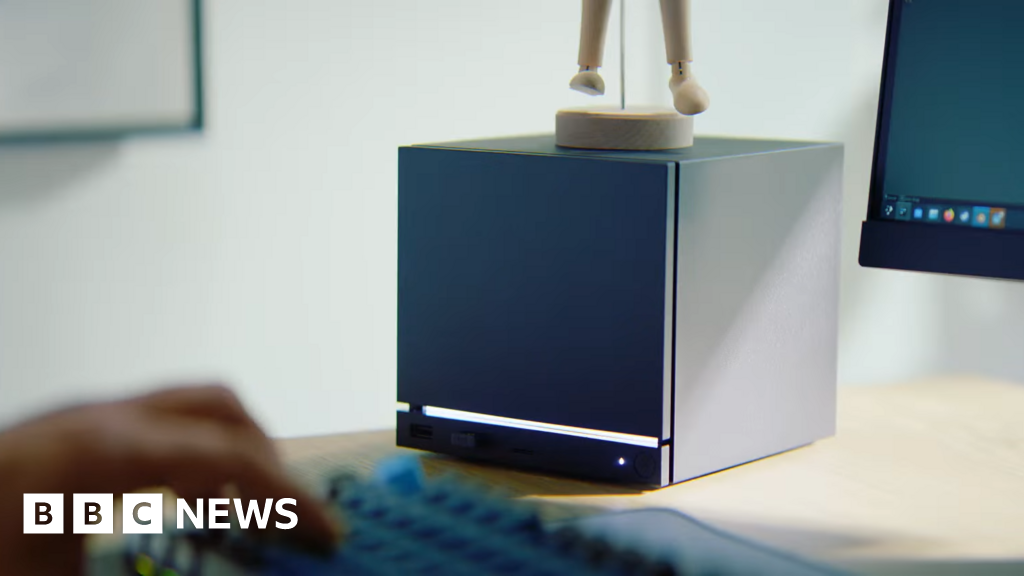
The New Steam Machine: Price Points and Packaging
Valve officially announced the retail pricing for its new Steam Machine, which aims to bridge the gap between traditional PC gaming and console convenience. For gamers in the UK, the base model will retail at £879. Across the Atlantic, US players can expect a price tag of $1,049. This pricing marks a significant departure from Valve’s original cost goals for the device.
The Steam Machine is available in various configurations to cater to different needs and budgets. A bundle featuring the 512GB edition of the Steam Machine alongside the Steam Controller is priced at £938. For those requiring more storage, a 2TB Steam Machine is available for £1,149, with a bundle including the controller bringing the total to £1,208.
This new iteration is a spiritual successor to the original Steam Machine unveiled in 2014. That earlier device, while innovative, struggled to carve out a significant market share against the established dominance of Sony’s PlayStation, Nintendo’s Switch, and Microsoft’s Xbox. This latest version, described by Valve as a PC “optimised for gaming,” aims to re-enter the fray with enhanced capabilities and a fresh approach.
Why the High Price Tag? Valve’s Explanation
The primary reason cited by Valve for the Steam Machine’s elevated price is the dramatic increase in hardware component costs. In a recent blog post, the gaming giant explained that when they began sourcing components in 2023, they had a clear understanding of how these costs typically evolve. Their expectation, based on years of data, was that PC hardware prices would generally decrease over time as new technologies emerged and production scaled up.
“Over the past year or so, that has changed quickly and significantly, most visibly for RAM [random access memory] and storage components,” Valve stated. This shift in market dynamics means that their initial pricing objectives are no longer feasible. This isn’t an isolated incident; it’s part of a broader industry trend where device manufacturers are forced to increase prices to absorb the rising expenses of essential memory and storage components.
Market research firms like Ampere Analysis had previously estimated a starting price for the Steam Machine to be in the range of $700-$800. However, the unexpected rise in component costs has prevented Valve from delivering the device at a more “accessible price point” to consumers, as noted by Piers Harding-Rolls of Ampere Analysis.
A Broader Trend: Valve’s Hardware Pricing Challenges
The Steam Machine’s pricing isn’t an isolated event for Valve; it appears to be part of a consistent challenge the company faces in its hardware division. Reports indicate that Valve had previously announced price increases for its popular handheld device, the Steam Deck, citing similar rising expenses. These adjustments, reportedly as high as 40% for some models, underscore the impact of component costs across Valve’s product line.
Furthermore, the Steam Controller, designed to offer a unique input experience for PC gaming, also launched with a price tag of £85. This cost raised eyebrows among some gamers at the time, indicating a pattern where Valve’s hardware solutions often come at a premium. The current Steam Machine bundles, which include the controller, reflect this ongoing strategy, combining the core device with its bespoke accessory.
This trend suggests that Valve is grappling with significant economic pressures in the hardware manufacturing space, impacting not just new product launches but also existing popular devices.
What This Means for PC Gamers and the Market Landscape
For PC gamers, especially those considering the Steam Machine, the new pricing introduces several important considerations. Positioned at £879, the device is significantly more expensive than current-generation consoles like the PlayStation 5, which the source suggests is priced about 75% less. This puts the Steam Machine in a different competitive bracket, moving it away from a direct console competitor and closer to the entry-level to mid-range dedicated gaming PC market.
While the Steam Machine offers the flexibility of a PC “optimised for gaming” with a console-like user experience, its price point means potential buyers will likely weigh it against other options. This could include building a custom PC, purchasing a pre-built gaming desktop, or opting for a dedicated gaming console. The value proposition will depend heavily on individual needs: do you prioritize the open ecosystem and versatility of PC gaming, or the streamlined, often more affordable, experience of a console?
It highlights the ongoing challenge for manufacturers to balance innovative hardware with accessible pricing in a volatile global supply chain environment. Gamers, in turn, are becoming more discerning about where they invest their money.
Smart Shopping: Navigating PC Gaming Deals Safely
In a market characterized by rising hardware costs, being a savvy shopper is more crucial than ever. For
Check the latest official sources before you queue or buy.
Source/context: Steam Machine launches with £879 price tag as Valve cites component costs. This is a draft summary and should be reviewed before publishing.