


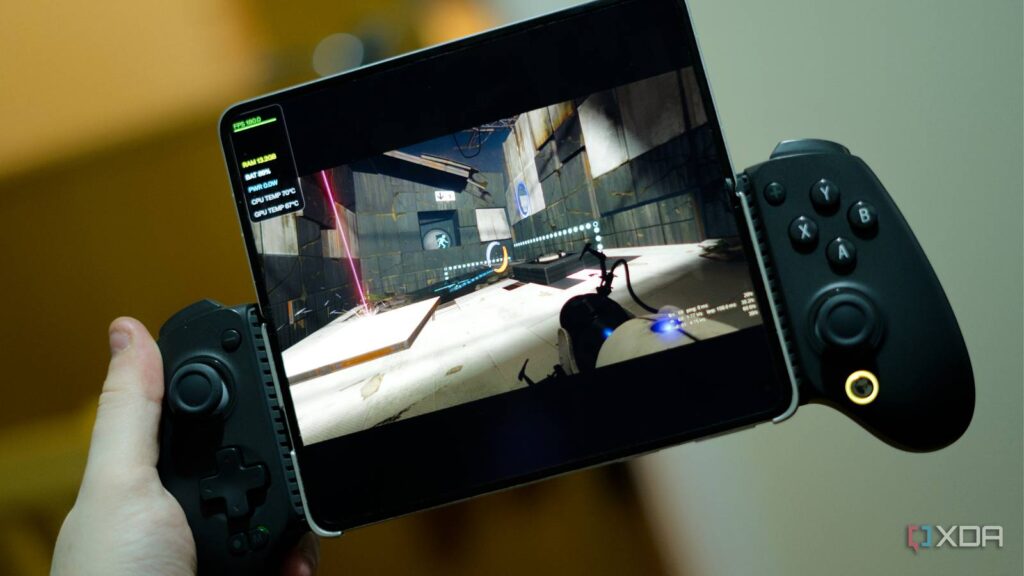
For many global gaming enthusiasts, the dream of playing their extensive PC game libraries on a mobile device has long been a tantalizing prospect. In recent years, this dream has steadily transformed from a niche “party trick” into a surprisingly practical reality, thanks to the tireless efforts of an open-source community. Tools like Winlator, built upon foundational technologies such as Wine, Box64, and DXVK, alongside evolving community GPU drivers, have made it possible to run Windows games directly on Android phones. With consumer-friendly launchers like GameHub and GameNative emerging, the experience has become compelling enough to rival dedicated handhelds like the Steam Deck for some users.
However, despite these remarkable advancements, a silent, often overlooked bottleneck has consistently hampered the experience: the Steam client itself. This article delves into how this ubiquitous PC gaming platform inadvertently created obstacles for mobile players and how an innovative solution, leveraging Valve’s own native Android libraries, has accidentally paved the way for a smoother, more enjoyable portable PC gaming future.

The Unexpected Hurdles of PC Gaming on Android
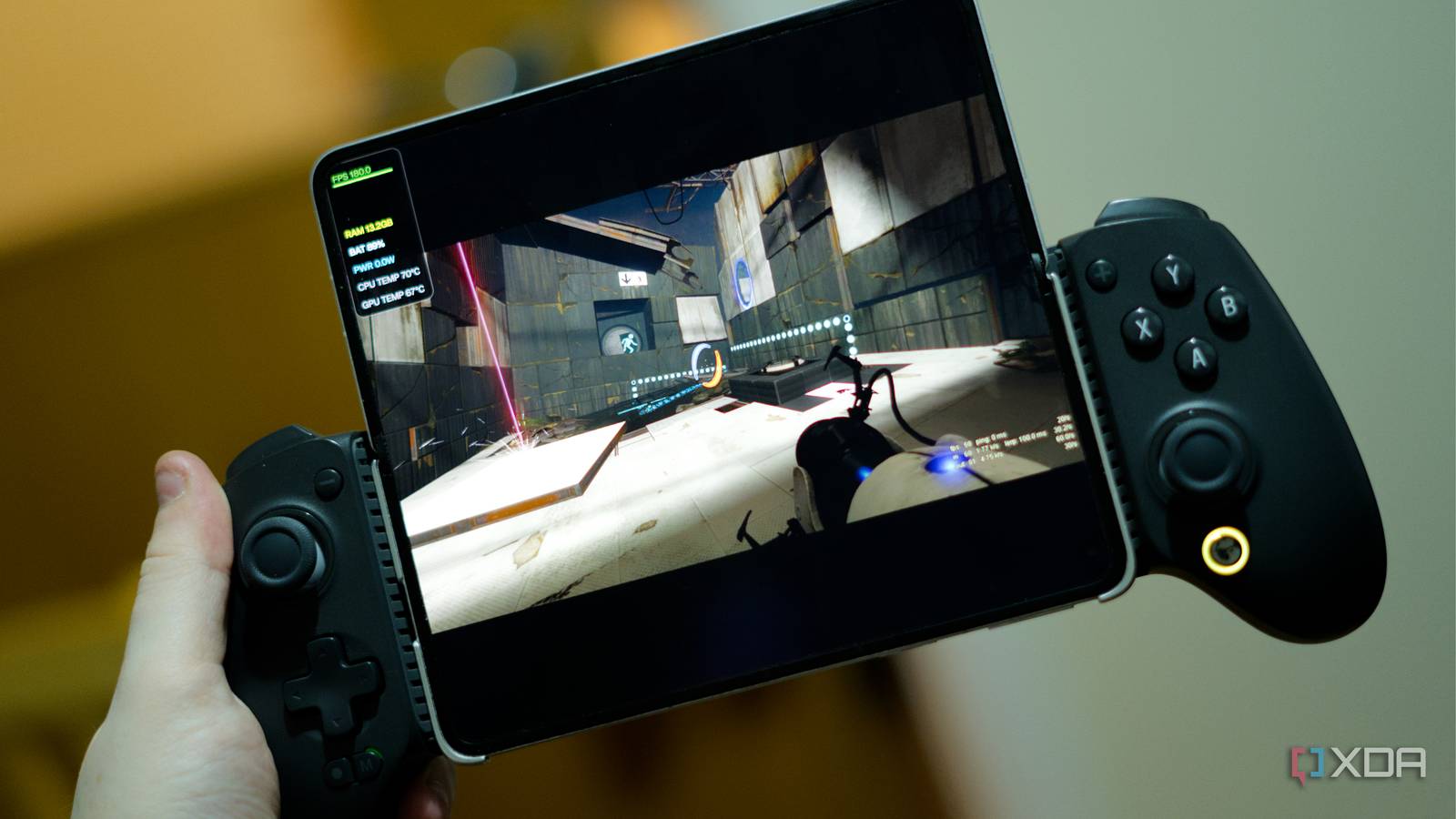
The journey to bring PC gaming to Android has been nothing short of extraordinary. Imagine firing up a complex Windows title like Portal 2 or Grand Theft Auto V directly on your smartphone, no streaming required. This technological feat is largely attributed to a sophisticated stack of open-source software. At its core, Wine (Wine Is Not an Emulator) allows Windows applications to run on Unix-like operating systems, while Box64 translates x64 instructions for ARM processors. DXVK then translates DirectX calls to Vulkan, a modern graphics API, enhancing performance and compatibility. Coupled with community-driven GPU drivers, these components have created a powerful ecosystem.
Apps like GameHub and GameNative have taken this powerful backend and wrapped it in user-friendly interfaces, making it easier for everyday gamers to access their Windows PC game libraries. The promise is clear: a truly portable PC gaming experience that leverages the powerful hardware now found in many high-end Android smartphones. Yet, even with powerful chipsets and optimized drivers, many users encountered frustrating performance issues, black screens, or outright crashes that seemed inexplicable when the underlying game engine should have been capable.
Why the Full Steam Client Was a Bottleneck
The core of the problem lay in the conventional approach to integrating Steam games. Until very recently, every application in this space, including various Winlator forks, adopted the same strategy: running the full x86 Windows Steam client within the same Wine and Box64 translation stack as the game itself. While seemingly logical, this method introduced significant overhead.
Consider what the desktop Steam client is designed to do: it’s a robust desktop application, built for a desktop operating system, performing a multitude of “desktop things.” These include rendering its complex user interface through the Chromium Embedded Framework (CEF), constantly checking for client updates, synchronizing cloud saves, and managing game downloads and installations. All of these processes demand significant system resources. Now, imagine this entire desktop application attempting to run on a phone, through multiple layers of translation (Wine and Box64), before your actual game even begins.
This setup created a substantial bottleneck. Even if the game itself was perfectly capable of running through the translation layers, the Steam client’s resource demands often crippled the system. Gamers frequently reported that the Steam CEF UI would struggle, freeze, or display black screens, making it impossible to even launch a game properly. As one developer experienced firsthand:
“I spent nights trying to get Portal 2 running on an Oppo Find N5 with a Snapdragon 8 Elite, cycling through Winlator forks, driver versions, and environment variables. The furthest Portal 2 ever got was the Valve-guy logo and the main menu before closing. On some builds, the Steam client itself would launch to a black screen. The phone wasn’t inherently the problem, but the whole arrangement was fighting itself before the game even had a chance.”
This illustrates the profound frustration caused by the Steam client’s overhead, consuming precious CPU cycles and memory that should have been dedicated to rendering the game.
Valve’s Native Android Libraries: An Accidental Solution
The breakthrough arrived with GameNative 1.0, which introduced an experimental path to bypass this very problem. When enabled, this new feature completely ditches the resource-intensive desktop Steam client. Instead, it leverages Valve’s own native Android libraries. This seemingly subtle change makes a truly “big, big difference” in performance and stability.
While the topic keyword hints at Valve’s VR efforts, the core of this solution lies in Valve’s existing native Android libraries. Valve, being a major player in various gaming ecosystems, likely developed these libraries for other mobile-focused initiatives or platform integrations – perhaps for the Steam Link app, or components related to the Steam Deck’s Linux-based OS that could have Android parallels, or even for future mobile-centric projects. These libraries were not specifically designed to fix Winlator’s Steam client problem, but their existence provided an elegant, “accidental” solution.
By utilizing these native libraries, GameNative can handle Steam’s DRM and game launching requirements far more efficiently. The system no longer needs to translate an entire desktop application; instead, it calls upon optimized, platform-specific code. This significantly reduces the overhead, freeing up vital system resources for the game itself. The result is a much smoother experience, faster load times, and greater stability, turning once-unplayable titles into genuinely enjoyable mobile experiences.
The Future of Portable PC Gaming Just Got Brighter
This development marks a significant leap forward for portable PC gaming on Android. By sidestepping the Steam client bottleneck, developers and users can now unlock the full potential of their powerful mobile devices. The implications are far-reaching, promising a more robust and accessible experience for a wider audience.
Here are some of the key benefits this accidental solution brings:
- Reduced Resource Overhead: Native libraries are far more efficient than running a full desktop application through multiple translation layers, leading to less CPU and RAM consumption.
- Faster Game Launches: Without the need to fully load and render the Steam client UI, games can launch much more quickly.
- Improved Stability: Eliminating the complex and often buggy interaction of the Steam CEF UI with the translation layer drastically reduces crashes and black screen issues.
- Wider Game Compatibility: With fewer system resources tied up by the client, more demanding games or those that previously struggled due to client overhead may now run smoothly.
- Enhanced User Experience: Overall, players can expect a more seamless and enjoyable gaming session, akin to what dedicated handhelds offer.
This innovation means that your Android phone, especially those with high-end Snapdragon or other powerful chipsets, is now an even more viable platform for playing your favorite Windows PC games. While the community behind Winlator, Wine, Box64, and DXVK deserves immense credit for making the initial dream a reality, it’s the clever integration of Valve’s own tools that has truly refined the experience.
Conclusion
The journey of PC gaming on Android has been a testament to community ingenuity and persistent development. The discovery that the full Steam client was an unexpected hurdle, and that Valve’s native Android libraries held the accidental key to solving it, is a pivotal moment. This breakthrough, implemented in launchers like GameNative 1.0, transforms the landscape for mobile PC gamers, offering a smoother, more stable, and genuinely practical way to enjoy PC titles on the go. As these technologies continue to evolve, the line between dedicated handhelds and powerful smartphones as gaming devices will only blur further, making portable PC gaming more accessible and enjoyable for everyone.
Curious about running PC games on your Android device? Explore the latest developments in Winlator and GameNative to experience this exciting new era of portable gaming!
Source/context: The Steam client was hurting PC gaming on Android — Valve’s VR headset accidentally solved it. This is a draft summary and should be reviewed before publishing.