


It feels like an eternity since staying on the bleeding edge of PC hardware was this expensive. For many gamers, the dream of running the latest titles at max settings has always come with a cost, but that cost seems to be escalating at an alarming rate. This ongoing trend, often dubbed the “pricepocalypse” by industry observers, is reshaping how enthusiasts approach their beloved hobby.
At the heart of this discussion is the recently tested MSI Claw 8 EX AI+. While initial impressions point to a remarkably fast and capable handheld gaming PC, its starting price of $1,800 has sent ripples through the community. For Wan2PlayGame, this device isn’t just another piece of hardware; it’s a stark reminder of the financial barriers emerging in the world of high-performance PC gaming.
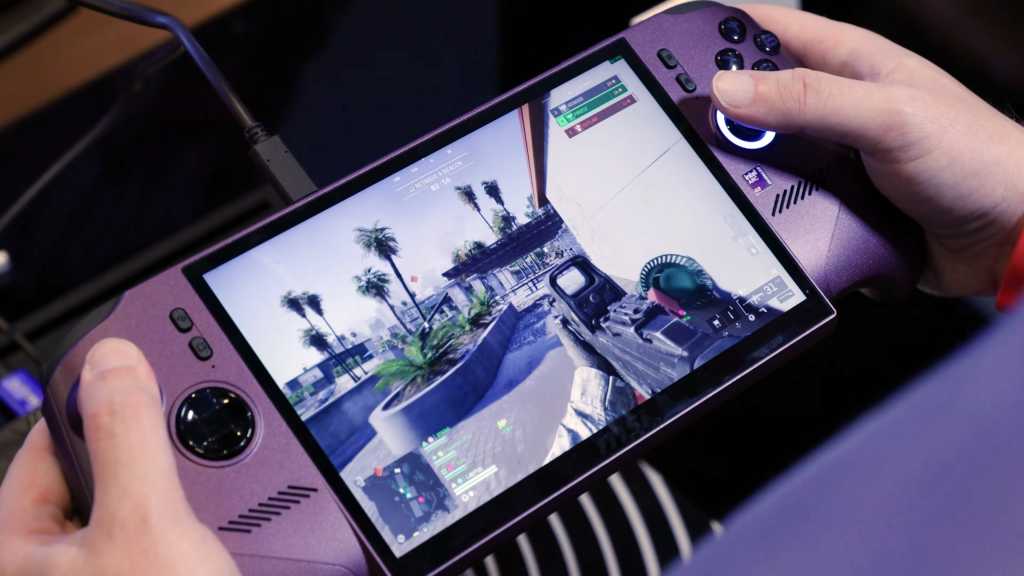

The MSI Claw 8 EX AI+ – A Premium Handheld on the Horizon
The MSI Claw 8 EX AI+ positions itself firmly in the premium segment of the handheld gaming PC market. Early tests suggest it offers impressive performance, pushing boundaries for what’s possible in a portable form factor. This isn’t just about playing older indie titles; it’s about bringing a significant chunk of modern PC gaming power to your hands, wherever you go. Imagine diving into demanding AAA games during your commute or on a quick trip, experiencing fluidity and detail previously confined to a desktop rig.
However, the conversation inevitably circles back to its price. A $1,800 starting tag puts the MSI Claw 8 EX AI+ well beyond the reach of the average gamer. While its capabilities are promising, this cost ensures it remains a niche product, accessible primarily to the most dedicated enthusiasts or those with substantial disposable income. When compared to other established handheld gaming PCs, the MSI Claw 8 EX AI+ sets a new benchmark for premium pricing, prompting many to question the value proposition in a market that was once celebrated for its relatively accessible entry points.
For some, this level of investment might be justified by the sheer convenience and performance. For others, it signals a troubling direction, where cutting-edge technology becomes increasingly exclusive. The question isn’t just whether the device performs well, but whether its existence at this price point foreshadows a broader trend for PC gaming hardware.
The “Pricepocalypse” and AI’s Expanding Appetite
The high cost of the MSI Claw 8 EX AI+ is not an isolated incident; it’s a symptom of a larger phenomenon engulfing the computing industry. The term “pricepocalypse” aptly describes the ongoing inflation of component costs, affecting everything from graphics cards to memory modules. A major driver behind this trend, as highlighted by industry analysts, is the insatiable demand from AI-obsessed tech companies.
These companies are rapidly gobbling up vast quantities of key PC components, particularly high-performance GPUs and specialized memory, to fuel their AI development and data centers. This massive procurement creates supply constraints and drives up prices across the board. The ripple effect is felt directly by the gaming community. What might have been an affordable upgrade just a few years ago now requires a significantly larger financial outlay.
This situation creates a challenging environment for hardware manufacturers and consumers alike. Manufacturers face higher production costs, which are then passed on to the end-user. Gamers, in turn, find themselves caught in a market where the components they need for their passion are increasingly diverted and priced out by a booming AI industry. This struggle for resources fundamentally alters the landscape of PC hardware, making it harder for the average individual to keep pace with technological advancements without breaking the bank.
The Gamer’s Dilemma: Upgrading in Uncertain Times
In the face of these escalating costs, many gamers are finding themselves in a difficult position. The excitement of new hardware releases is often overshadowed by the daunting price tags. For a significant portion of the PC gaming community, the initial luster of devices like the MSI Claw 8 EX AI+ or even certain new desktop components quickly fades when confronted with the reality of their price.
This has led to a widespread “hunker down and wait it out” mentality. Rather than rushing to upgrade, many are choosing to stick with their current setups, even if it means missing out on the absolute latest performance benchmarks. Practical examples of this shift are abundant: gamers are returning to their beloved libraries of older PC games, which still offer immense enjoyment without demanding cutting-edge hardware. Others are increasingly turning to dedicated gaming consoles, such as the Xbox Series X, which provide a compelling gaming experience at a more predictable and often lower price point.
Beyond the cost of new purchases, there’s also a growing anxiety about the longevity of existing hardware. The fear of component failure – a dying hard drive, failing RAM, or a struggling GPU – is now compounded by the exorbitant cost of replacements. What was once a manageable repair or upgrade expense can now feel like a significant financial hit, pushing some gamers to be overly cautious with their current rigs, perhaps even limiting their playtime to preserve their investment. This shift impacts the very enjoyment of the hobby, turning what should be a source of relaxation into a source of financial apprehension.
Navigating the High Seas of Hardware Investment
Despite the current challenges, it’s crucial to remember that PC gaming remains an unparalleled experience. The breadth and depth of software available, from competitive esports titles to immersive single-player sagas, combined with the unparalleled control and customization options, ensure that the PC platform continues to be a premier destination for gamers worldwide. However, navigating this landscape now requires more strategic thinking and careful investment.
The future of PC gaming isn’t necessarily bleak, but it demands adaptability. Gamers need to be more discerning about their purchases, weighing performance against cost, and exploring all available options to maximize their gaming enjoyment without overextending their budgets. The era of casual, impulse upgrades might be fading, replaced by a more considered and value-driven approach to hardware acquisition. Here are some strategies gamers can employ to weather the current hardware market:
- Prioritize Smart Upgrades: Instead of aiming for a full system overhaul, identify the single component that will offer the most significant performance boost for your specific gaming habits. Sometimes, a GPU upgrade is all you need, or perhaps a faster SSD can dramatically improve load times.
- Explore Second-Hand or Last-Gen Options: The used market or slightly older generations of high-end hardware can often deliver excellent performance at a fraction of the cost of brand-new, top-tier components. Research carefully and buy from reputable sources.
- Embrace Cloud Gaming Services: Platforms like NVIDIA GeForce NOW or Xbox Cloud Gaming can provide access to top-tier gaming experiences without a massive upfront hardware investment. You can stream demanding games to almost any device with a stable internet connection.
- Optimize Your Current Rig: Regular maintenance, ensuring your drivers are updated, keeping your system clean, and tweaking in-game settings can significantly extend the life and improve the performance of your existing PC. Don’t underestimate the power of software optimization.
- Consider Console Gaming: For specific titles or a more budget-friendly approach to accessing new releases, modern consoles offer compelling gaming experiences with a simple plug-and-play setup and predictable pricing.
- Patience is a Virtue: Waiting for sales, seasonal discounts, price drops, or even the release of next-generation hardware can often lead to better value for your money. Early adopter premiums are higher than ever.
The gaming industry is constantly evolving, and the current hardware market presents unique challenges. By adopting a more strategic mindset, gamers can continue to enjoy the rich experiences that PC gaming offers, even as the cost of entry for cutting-edge technology continues to rise.
<
Check the latest official sources before you queue or buy.
Source/context: MSI’s $1,800 gaming handheld feels like a warning for PC gaming’s future. This is a draft summary and should be reviewed before publishing.