


The world of PC gaming handhelds is hotter than ever, with new devices constantly pushing the boundaries of portable performance. From the trailblazing Steam Deck to the powerful ROG Ally and the innovative Lenovo Legion Go, gamers now have incredible options to take their favorite PC titles on the go. Amidst this exciting landscape, a question has been circulating: Could Intel’s Arc G3 Extreme emerge as the chip to beat in this rapidly evolving segment? While concrete details on a specific “G3 Extreme” chip remain somewhat speculative in the public domain, the very notion sparks significant interest, especially given Intel’s ongoing commitment to its Arc graphics architecture. Let’s dive into what such a chip could potentially offer and the impact it might have on your gaming experience.
The Ascent of PC Gaming Handhelds: A New Era of Portable Play
Just a few years ago, the idea of playing demanding AAA PC games natively on a portable device seemed like a distant dream. Today, it’s a vibrant reality. Devices like Valve’s Steam Deck kicked open the doors, demonstrating the immense appetite for handheld gaming PCs. These devices leverage powerful integrated graphics solutions, often from AMD, to deliver impressive performance in a compact form factor. They offer the flexibility of a PC, allowing users to install various launchers, emulators, and operating systems, truly putting the power in the player’s hands.
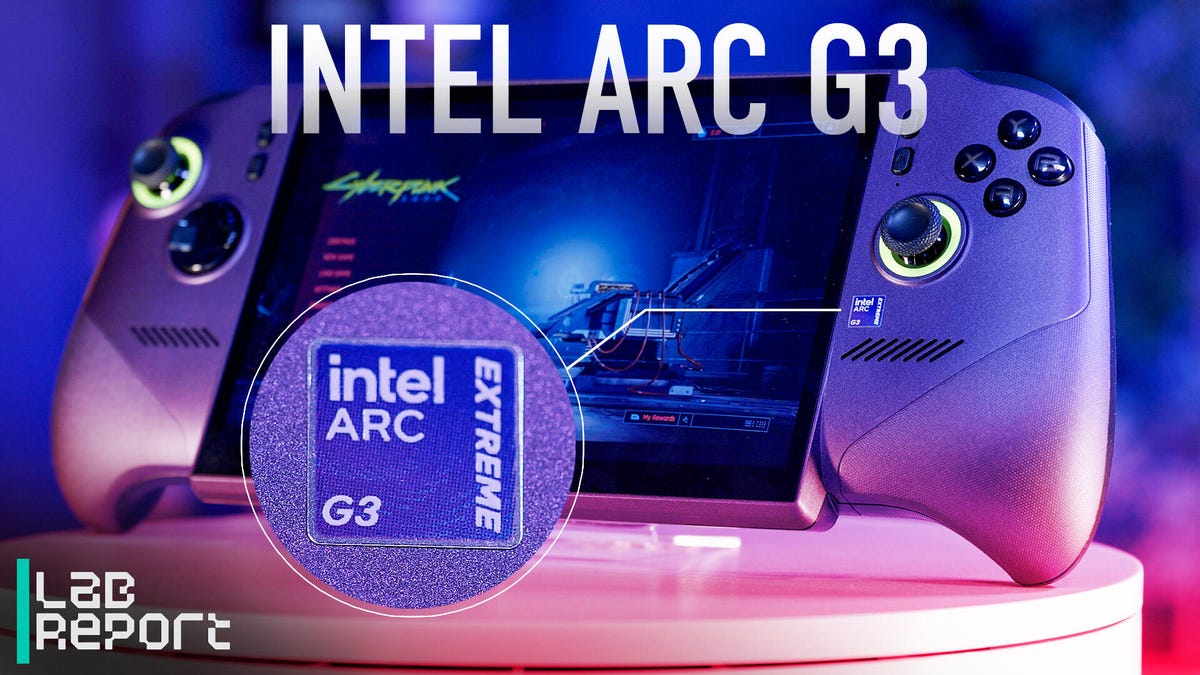

The appeal is clear: unparalleled versatility. Whether you’re commuting, traveling, or simply want to game on the couch without hogging the main screen, these handhelds provide a full PC gaming experience. However, every new generation of handheld brings with it a demand for more power, better efficiency, and innovative features to push the boundaries further. This is precisely where a potential contender like Intel’s Arc G3 Extreme could make a significant splash, building on the foundation laid by current market leaders and offering a fresh perspective on portable graphics.
Intel Arc’s Journey: From Desktop to Potential Handheld Dominance
Intel’s re-entry into the discrete graphics market with its Arc line of GPUs has been an intriguing journey. Starting with the Arc A-series for desktops and laptops, Intel has been steadily refining its architecture, drivers, and feature set. Key technologies like XeSS (Xe Super Sampling) offer AI-powered upscaling similar to NVIDIA’s DLSS and AMD’s FSR, promising improved performance without a significant visual fidelity hit. Furthermore, Arc GPUs boast robust media encoding capabilities, including full hardware acceleration for AV1, which is a boon for streamers and content creators.
While Arc’s initial launch faced some driver maturity challenges, Intel has shown strong commitment to continuous improvement, regularly releasing updates that enhance performance and stability across a wide range of games. This dedication is crucial, as a successful handheld chip relies heavily on optimized drivers and consistent performance. If Intel can translate its desktop and laptop Arc advancements into a highly efficient, purpose-built chip for handhelds, it could bring a compelling new option to the market. The lessons learned from desktop Arc’s development would be invaluable in tailoring a mobile solution for the unique constraints of portable devices.
What Could the Arc G3 Extreme Bring to Your Handheld Gaming?
Imagining an Intel Arc G3 Extreme specifically designed for PC gaming handhelds opens up exciting possibilities. Based on the general capabilities of the Arc architecture, here’s what such a chip could potentially offer:
- Competitive Performance: With Intel’s focus on improving raw performance and efficiency, an Arc G3 Extreme could aim to rival or even surpass existing integrated solutions in its power envelope. This means smoother frame rates in your favorite AAA titles.
- XeSS Advantage: XeSS would be a game-changer for handhelds. For instance, running a demanding game like Cyberpunk 2077 or Alan Wake 2 at native resolution on a small handheld screen can be challenging. With XeSS, the chip could render at a lower resolution and intelligently upscale, providing a significant boost in frame rates while maintaining good visual quality, thereby extending playable battery life or enabling higher graphical settings.
- Robust Media Capabilities: The Arc architecture’s strong media encoders, including full AV1 support, could make handhelds powered by the G3 Extreme excellent devices for streaming gameplay or consuming high-quality video content on the go.
- Potential for Value: If Intel can leverage its manufacturing scale, an Arc G3 Extreme could potentially offer a strong performance-to-price ratio, leading to more affordable yet powerful handheld gaming devices.
- Intel Ecosystem Integration: As part of the broader Intel ecosystem, such a chip could benefit from optimizations with Intel CPUs and software, potentially leading to a more cohesive and efficient overall system design for handhelds.
Consider playing a graphically intensive title like Forza Horizon 5. On a handheld powered by an Arc G3 Extreme, the combination of its graphics horsepower and XeSS could allow you to enjoy vibrant open-world racing at a fluid frame rate, something that would be much harder to achieve without intelligent upscaling. Or imagine playing an esports title like Dota 2 or CS2 with consistently high frame rates, giving you a competitive edge even on a portable device.
Challenges and the Road Ahead for Intel in Handhelds
While the potential of an Arc G3 Extreme is exciting, the path to becoming “the chip to beat” is not without its hurdles. The PC gaming handheld market is intensely competitive, with established players and innovative solutions already in place:
- Power Efficiency: Handhelds demand exceptional performance per watt. Every milliwatt counts for battery life. Intel would need to engineer the G3 Extreme to be incredibly efficient, perhaps even more so than its current desktop and laptop Arc offerings.
- Driver Maturity for Handhelds: While desktop Arc drivers have improved, optimizing them for the unique power envelopes, thermal constraints, and diverse game libraries of handhelds is a separate challenge.
- Established Competition: AMD’s RDNA-based APUs (like those found in the Steam Deck, ROG Ally, and Legion Go) are currently the undisputed champions in this space, offering a proven track record of performance and efficiency. Intel would need to offer a compelling reason for device manufacturers to switch.
- Ecosystem and Developer Support: Ensuring games run flawlessly and are optimized for a new chip architecture requires broad developer support and ongoing collaboration.
For example, current AMD-powered handhelds strike a delicate balance between performance and battery life, allowing for reasonable gaming sessions on the go. An Arc G3 Extreme would need to not only match but ideally surpass this balance, perhaps by delivering higher performance at similar power draws or significantly extending battery life for equivalent performance.
Ultimately, whether the Intel Arc G3 Extreme becomes the chip to beat will depend on a combination of raw performance, power efficiency, driver stability, pricing, and how well it integrates into future handheld device designs. Gamers are always looking for the next leap in portable performance, and Intel has a clear opportunity to deliver it.
The prospect of Intel bringing a dedicated Arc G3 Extreme chip to the PC gaming handheld market is genuinely thrilling. It signifies increased competition, which almost always benefits consumers through better performance, more innovative features, and potentially more accessible prices. While the full details surrounding this chip are still emerging or speculative, the CNET video hints at a future where Intel could play a much larger role in our portable gaming lives. For now, we eagerly await further official announcements and technical deep dives to see if the Arc G3 Extreme truly has what it takes to dominate the next generation of PC gaming handhelds. Keep an eye on official Intel channels and trusted tech news outlets for the latest information.
Stay tuned to Wan2PlayGame for the latest updates on gaming hardware and future handheld innovations!
Source/context: Is Intel’s Arc G3 Extreme the PC Gaming Handheld Chip to Beat? – Video. This is a draft summary and should be reviewed before publishing.