For decades, the gaming industry has grappled with a persistent adversary: piracy. From the early days of floppy disks to the digital downloads of today, developers and publishers have invested heavily in various Digital Rights Management (DRM) technologies to protect their creations. While the battle against “high-seas gaming” continues, a new paradigm is rapidly gaining traction – subscription-based gaming services. These platforms, offering expansive libraries for a recurring fee, are often touted as a solution to piracy and a boon for players. However, as a lifelong PC gamer, I believe we’re heading into an era where piracy won’t be the only significant problem. The shift to subscription models brings a whole new set of complex challenges that demand our attention.
The DRM Dilemma: A Necessary Evil No More?
Before diving into the future, let’s reflect on the past and present of DRM. Tools like Denuvo have become almost synonymous with controversy in the PC gaming community. While their primary goal is to prevent unauthorized copying and distribution of games, their implementation often comes with unintended consequences for legitimate, law-abiding consumers. The frustrations are varied and widespread:
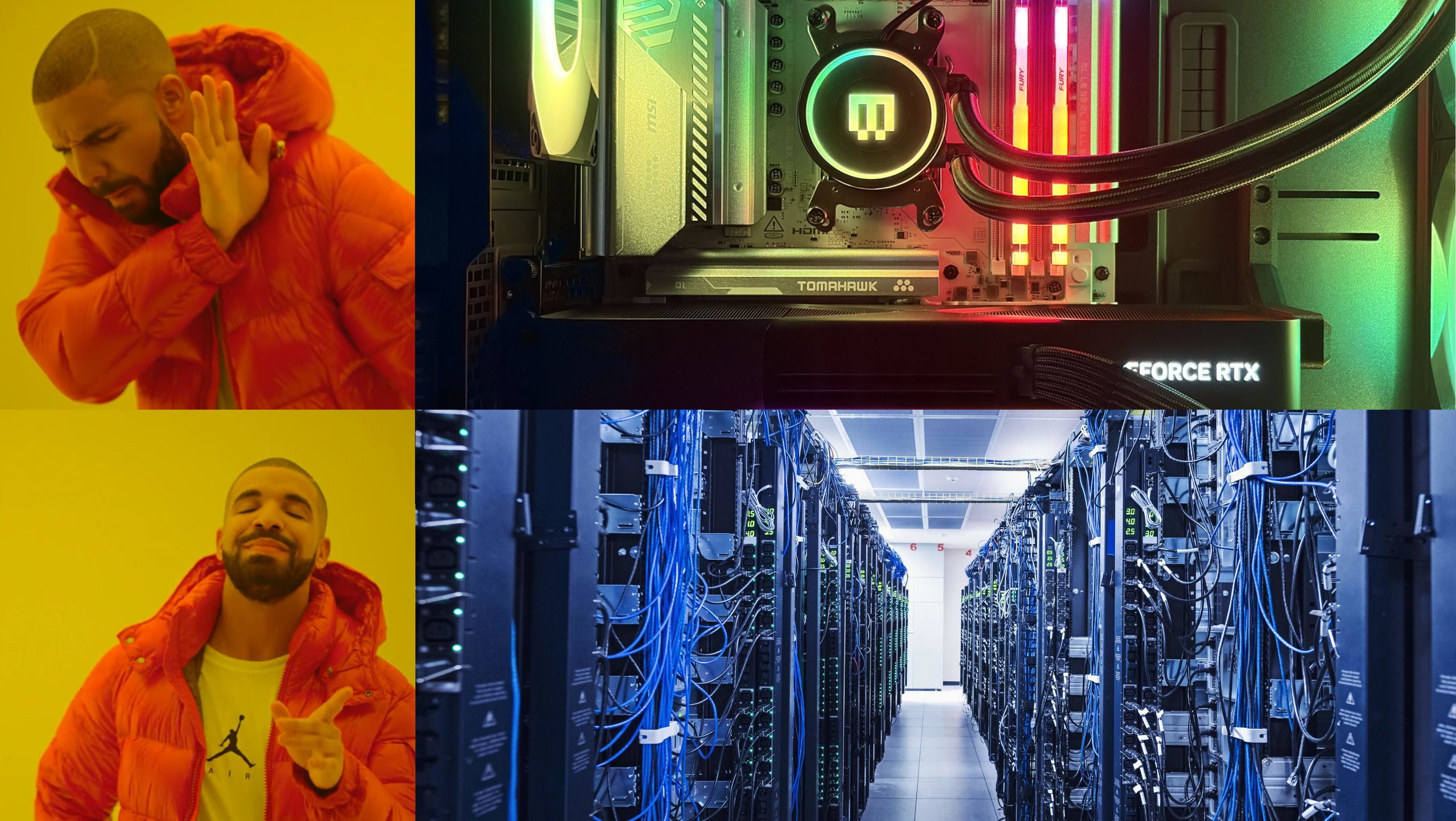
- Performance Impact: Many gamers report noticeable performance degradation, including lower frame rates, longer loading times, and increased CPU usage, in games protected by aggressive DRM.
- Modding Roadblocks: DRM can often interfere with a game’s code, making it difficult or impossible for the vibrant modding communities to create and implement user-generated content, a cornerstone of PC gaming culture.
- Always-Online Check-ins: Some DRM schemes require constant or frequent online verification, even for single-player games. This alienates players with unstable internet connections or those who prefer to game offline.
- Limited Ownership: Even with a purchased copy, DRM can impose restrictions on how and where a game can be played, blurring the lines of true ownership.
It’s no secret that DRM is often despised by both players and, in many cases, by the very game designers who are forced to implement it. Its effectiveness against determined pirates is also debatable, with many DRM solutions eventually being cracked. This widespread dissatisfaction has fueled the search for alternatives, leading us directly to the rise of subscription gaming.
The Allure of the All-You-Can-Play Model
Subscription services have exploded in popularity across various entertainment sectors, and gaming is no exception. Platforms like Xbox Game Pass, PlayStation Plus, EA Play, and Ubisoft+ have captivated millions with their promise of a vast, rotating library of games accessible for a monthly or annual fee. The appeal is undeniable:
- Cost-Effectiveness: For a fixed price, subscribers gain access to dozens, sometimes hundreds, of titles, potentially saving significant money compared to purchasing each game individually.
- Discovery and Experimentation: These services encourage players to try games they might not have bought otherwise, fostering exploration and expanding gaming horizons.
- Day One Releases: Some services offer new, high-profile games on day one, a major draw for players eager to jump into the latest titles without a hefty upfront cost.
From a publisher’s perspective, subscriptions can provide a stable revenue stream, reduce the immediate impact of piracy by offering a legitimate, convenient alternative, and even allow for longer-tail monetization through in-game purchases or expansions. It seems like a win-win, a leading alternative to the woes of traditional DRM. However, beneath the surface of this enticing model lie new complexities that could redefine our relationship with games.
New Horizons, New Headaches: The Unforeseen Challenges
While subscription gaming offers many advantages, it introduces a fresh set of concerns that extend far beyond the traditional battle against piracy. These issues fundamentally alter the concept of game ownership and access:
Ownership vs. Access
Perhaps the most significant shift is the move from “owning” a game to merely “accessing” it. When you buy a game, you typically own a license to play that specific title indefinitely (barring server shutdowns for online-only games). With subscriptions, your access is contingent on your active subscription. Stop paying, and you lose access to all games within the library. This paradigm shift means:
- No Permanent Library: Your collection of games is not truly yours. It’s a rented library that can disappear if you cancel your subscription.
- Content Volatility: Games frequently enter and leave subscription services. A beloved title you’ve been playing might suddenly vanish, forcing you to purchase it separately or lose access entirely.
- Dependence on the Platform: Your gaming experience becomes intrinsically tied to the longevity and policies of the subscription service provider.
Digital Preservation and Legacy Content
What happens to games that are only available through a subscription service if that service eventually shuts down or decides to delist a title permanently? The digital age already presents challenges for game preservation, but subscription models exacerbate this. If a game isn’t available for individual purchase and leaves all subscription libraries, it could effectively be lost to future generations of players. This is a critical concern for the long-term history and accessibility of gaming culture.
Impact on Developers and Game Quality
The financial model of subscription services can influence game development in unforeseen ways. While it offers a platform for smaller indie titles to gain exposure, it can also incentivize developers to create games that fit a “service model” – games with ongoing content updates, battle passes, or monetization hooks designed to keep players engaged (and subscribed). This could potentially lead to fewer self-contained, narrative-driven experiences, or pressure to release games prematurely to meet content quotas. The way developers are compensated within these models (often based on playtime or engagement) might also shift their design philosophies.
Subscription Fatigue and Platform Exclusivity
As more companies launch their own subscription services, gamers face the prospect of “subscription fatigue.” Managing multiple subscriptions across different platforms (e.g., one for PC, one for console, one for a specific publisher) can become expensive and cumbersome. Furthermore, these services often feature exclusive titles, forcing players to subscribe to multiple platforms if they want to play a broad range of games.
Navigating the Future: What Does This Mean for Gamers?
For global PC gamers, understanding these evolving dynamics is crucial. While the convenience and value of subscription services are undeniable, it’s important to be aware of the trade-offs. Here are some considerations:
- Evaluate Your Habits: If you primarily play a few select games for extended periods, purchasing them outright might still be the best option for long-term access.
- Be Aware of Rotating Libraries: If there’s a specific game you want to finish, keep an eye on its status within the subscription service. Some platforms provide advance notice before games leave the library, giving you time to complete them or decide on a purchase.
- Consider Digital Ownership: For truly cherished titles, consider purchasing them digitally or physically if available, to ensure permanent access regardless of subscription status.
- Check Official Sources: Always refer to the official websites or announcements of your chosen subscription services for the latest information on game rosters, pricing, and terms of service.
The gaming landscape is constantly evolving. The move towards subscription models is a significant shift, driven by technological advancements and the industry’s ongoing efforts to monetize content effectively. While it offers a compelling alternative to traditional game purchases and the battle against piracy, it introduces a new set of challenges that players, developers, and publishers alike must navigate. The future of gaming isn’t just about stopping pirates; it’s about defining what game ownership, access, and preservation mean in a world increasingly dominated by digital subscriptions.
As we move forward, the conversation needs to expand beyond just the legality of playing games, to the ethics of access, the preservation of our digital heritage, and the long-term impact on game creation itself. The ship of gaming is certainly headed in a new direction, and it’s carrying more than just the ghost of piracy on its deck.
What are your thoughts on the rise of subscription gaming and its potential long-term impacts? Share your perspective in the comments below!
Source/context: I’ve seen where subscription gaming is going and piracy won’t be the only problem. This is a draft summary and should be reviewed before publishing.